
Tekken 8 Cheat Engine Tables vs a Paid Overlay
Community tables appeal to people who like inspecting their tools. A paid overlay moves upkeep to the seller, with separate setup costs.
A community Cheat Engine table and a paid Tekken 8 overlay may both advertise frame data or hitbox information. The main differences are where they get their information, who fixes them after a game update and what you need to set up first.
What a Cheat Engine table is
Cheat Engine can scan the memory of a target process. A table stores entries such as addresses and may include scripts. The supplied controls depend on what its author included. Community tables can be shared without a fee, but an entry’s label and availability tell you little about how well it works on your specific build. Cheat Engine table documentation
Where tables can suit a technically comfortable player
A readable table gives you something to inspect. You can see its entries and, where supplied, its scripts. Someone already familiar with Cheat Engine may find that workflow straightforward. Check who maintains the file, what build it names and whether it does more than the description says. One table may cover a narrow practice task and another may cover something quite different.
Where tables can cost time
Setup and maintenance are usually up to the user and the table author. Memory addresses can change after a patch, and an outdated table can stop producing useful values. Scope varies by file. Look for evidence that the table offers the hitbox or frame information you need, and budget time to check it after updates.
Where a paid overlay can help
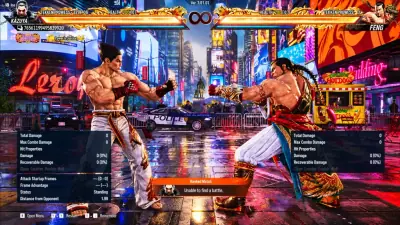
The seller supplies the interface, documentation and an order-support route. The Tekken 8 listing covers frame data, hitbox view, punish information and combo assists. Confirm supported sequences, modes and builds before paying. Updates and support depend on the seller, and compatibility can change after a patch. The PC setup guide explains the separately required infrastructure.
How to choose
If what you want is the chance to inspect a community file and handle version changes yourself, look at the table’s provenance and scope. If you want a packaged interface, ask the seller for a supported build and a concrete feature list. For someone testing whether frame data helps in the first place, the game’s replay tools and a frame advantage drill give you a starting point.
Common questions
Do patches break tables?
They can. Check the version supported by the particular file and look for an update from its maintainer.
Can you assume one is safer online?
No reliable comparison of detection rates follows from the way either tool is packaged. Game rules and enforcement still apply. Read what Bandai Namco has documented.
Is every paid overlay a table in a wrapper?
Implementation varies. Compare the features, support and maintenance you can actually verify for the tool you’re considering.