
How to Judge a Tekken 8 Cheat Before You Buy
A buyer’s checklist for comparing Tekken 8 tools, with questions you can ask before you spend anything.
Search results are full of similar-looking shops. The practical differences show up when a patch lands, when you try to set up the tool, or when you need an answer about a specific feature. Work through those checks before trusting a headline.
Start with patch history
Tekken 8 updates can adjust move properties and frame advantage. Ask which game build the current tool supports. Look for dated notes that say what changed and whether an issue is still open. If the last published entry predates several game updates, ask for current confirmation. Example of a Bandai Namco balance update
Ask what the feature names mean
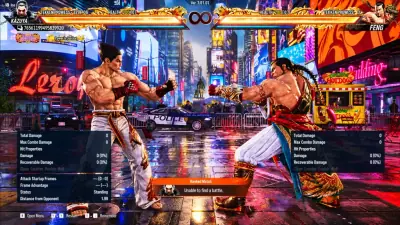
A fighting-game overlay should explain what it shows in terms that make sense in a match. Frame data tells you about startup and recovery. A punish indicator points to a response window. A hitbox view helps explain why a move reached at one distance and missed at another. Generic shooter terms tell you little about these features. Look for an explanation specific enough to compare with the documented Tekken 8 features.
Read the requirements before checkout
Look for Windows editions and the settings that need to be enabled, including HVCI, Core Isolation, TPM, Secure Boot and CPU virtualisation. Ask which components come with the game product. If Cloud DMA is part of the setup, check whether other licences or services are bought separately. The PC requirements checklist gives you specific questions to ask.
Try the support route
Use the listed contact method to ask something concrete, such as whether your Windows edition and game build are supported. A reply that explains the next step and points to documentation is more informative than a promised response time. Check how an existing order is looked up and whether you can keep a record of the answer.
Read the screenshots alongside the feature list
Look for the game HUD and the actual readouts. Check whether the shot shows the feature you care about, and ask which build it depicts. A clean mockup can explain a layout. A dated gameplay capture can show what the screen looked like on a particular version.
Red flags worth taking seriously
- Permanent undetectability promises or a status panel with old, undated claims.
- Feature lists copied between unrelated games or screenshots that don’t show the advertised tool.
- Missing setup requirements, unclear extra charges or a vague route to order support.
Should you pay more or choose lifetime immediately?
A high price doesn’t establish maintenance quality. Review scores are also a weak signal for the current build. Check the dated evidence, ask your setup question and compare the full cost with your likely use. If there’s an enforcement report, check what the publisher documented before treating it as evidence about any specific seller.